Adjusting to new hearing aids can take time, and it’s common to feel uncertain during the early stages. Sounds may seem unfamiliar or overly sharp, and it’s not unusual to feel unsure about wearing the devices in public. These reactions are understandable, especially if you’re not used to hearing certain noises or managing hearing equipment as part of your daily routine.

Getting the most out of your hearing aids often depends on learning how to use them effectively and care for them properly. Making small changes to your routine, staying on top of maintenance and reaching out to your audiologist when questions come up can make the process easier. With steady use and realistic expectations, most people find that their hearing improves and communication becomes easier over time.

How Hearing Aids Help You Hear Better

Hearing aids make speech and other sounds easier to hear by making them louder and clearer. They use tiny microphones to pick up sounds, then process and send those sounds directly into your ears. This can help you follow conversations and enjoy daily activities more easily. Some benefits of hearing aids include better communication, more confidence in social situations and greater independence. On the other hand, it can take time to get used to wearing them, background noise may still be noticeable in some settings and regular cleaning is needed.

What to Expect When Wearing Hearing Aids for the First Time

Starting to wear hearing aids can bring up a lot of questions. Many people wonder what their first days will be like, including:

  • Will everything sound too loud at first?
  • How long does it take to get used to wearing hearing aids?
  • Is it normal for my own voice to sound different?
  • What should I do if my ears feel uncomfortable?

During the first few weeks, sounds may seem sharper or even unusual as your brain gets used to hearing certain noises again. Everyday sounds like footsteps or running water might stand out more than before. Your own voice may also sound different at first, but this usually improves with regular use. If you have questions about cleaning or comfort, your audiologist can help with daily care and making sure your devices fit well.

Tips for Putting In and Taking Out Your Hearing Aids Correctly

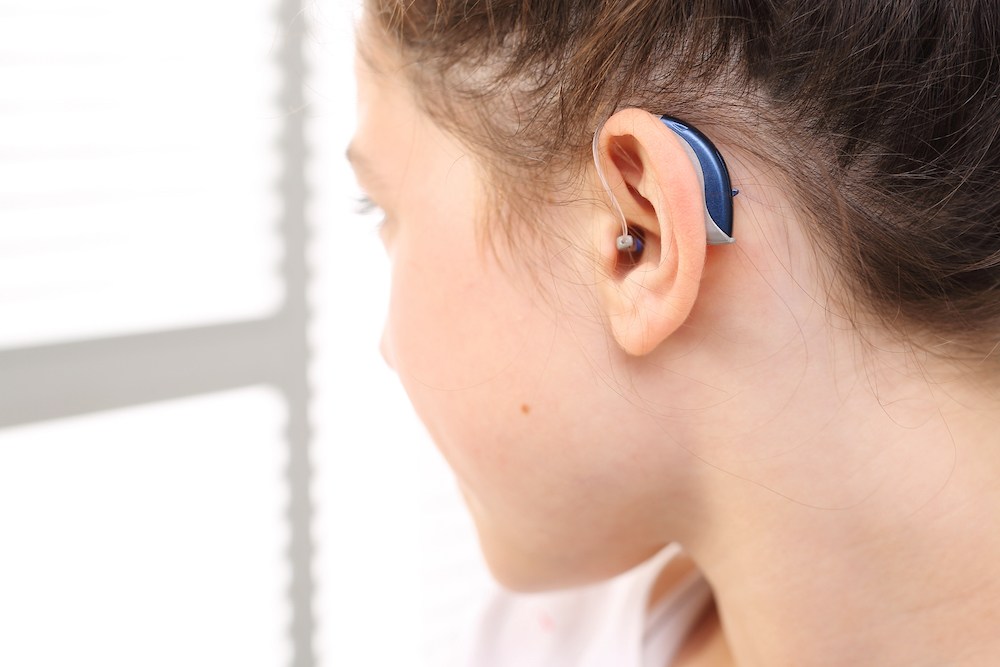
Putting in and taking out your hearing aids can become a simple part of your daily routine with a little practice. Start by washing and drying your hands to keep the devices clean. It’s helpful to hold them over a soft surface, like a towel or bed, just to protect them while you’re getting used to the process. Gently place the hearing aid in or behind your ear, depending on the type you use and check that it sits comfortably without pressing too firmly.

When removing your hearing aids, take your time and use a smooth motion. It’s best to handle them gently and avoid pulling on any small parts. After taking them out, a quick wipe with a clean, dry cloth can help keep them in good condition. Storing your hearing aids in their case when you’re not using them keeps them safe and ready for the next day. These small habits support long-term comfort and help your devices stay reliable.

Changing Hearing Aid Batteries or Charging Your Devices

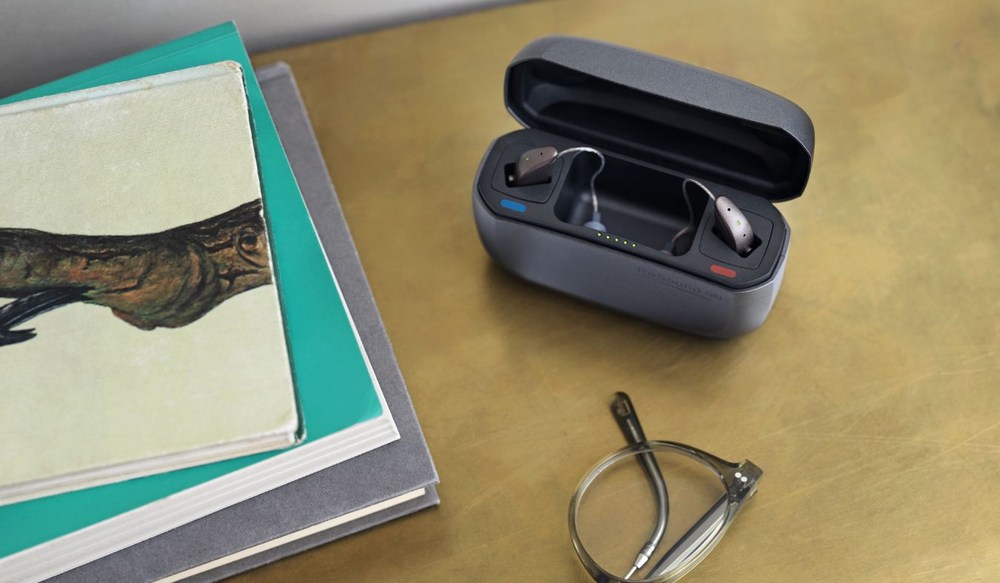
Keeping your hearing aids powered is important for clear sound all day. If your devices use disposable batteries, replace them as soon as you notice weak sound or hear a low battery alert. Carry extra batteries so you are always prepared. For rechargeable hearing aids, place them in their charging case every night so they are ready each morning. Check battery compartments for dust or moisture and keep the charging area clean and dry for best results.

Protecting Hearing Aids from Moisture and Extreme Temperatures

Moisture and extreme temperatures can damage the sensitive parts inside your hearing aids. Always remove your devices before showering, swimming or using hair products like sprays or gels. If you sweat often or live in a humid area, using a drying case overnight can help. Avoid leaving hearing aids in hot places like a car dashboard or near heaters, as heat can harm the electronics and battery life. These steps help your devices last longer and work more reliably.

Getting Used to New Sounds in Different Places

As you start wearing hearing aids in new places, you may notice some sounds seem unfamiliar or louder than expected. Try spending short periods in different environments, like busy streets, restaurants or quiet rooms, to help your brain adjust at a comfortable pace. Taking breaks when needed, focusing on one conversation at a time in noisy areas and asking friends or family to speak clearly can make this adjustment easier.

Easy Ways to Communicate Well While Wearing Hearing Aids

Good communication is possible with hearing aids, and a few simple habits can make conversations smoother. Face people when talking so you can see their lips and facial expressions for extra cues. Ask friends or family to speak clearly and at a steady pace and let them know if you need something repeated. Choosing quieter spots for conversations also helps reduce background noise, making it easier to focus on the person speaking.

Keeping Your Hearing Aids Clean and Working Their Best

Daily cleaning is important for clear sound and reliable performance. Wipe your hearing aids each day with a soft, dry cloth to remove dust, moisture and earwax that can block tiny openings. Regular cleaning also helps prevent skin irritation around your ears. Storing your devices in a dry case overnight protects them from humidity, which can damage sensitive parts over time.

Simple Solutions for Common Problems with Hearing Aids

Even with regular care, hearing aids can sometimes have issues like weak sound, feedback or not turning on. Many of these problems are easy to fix at home like try changing the battery, making sure the device is clean and dry or checking if the tubing is blocked or twisted. If problems continue after these steps, contact your audiologist for help.

Why Regular Visits with Your Audiologist Matter

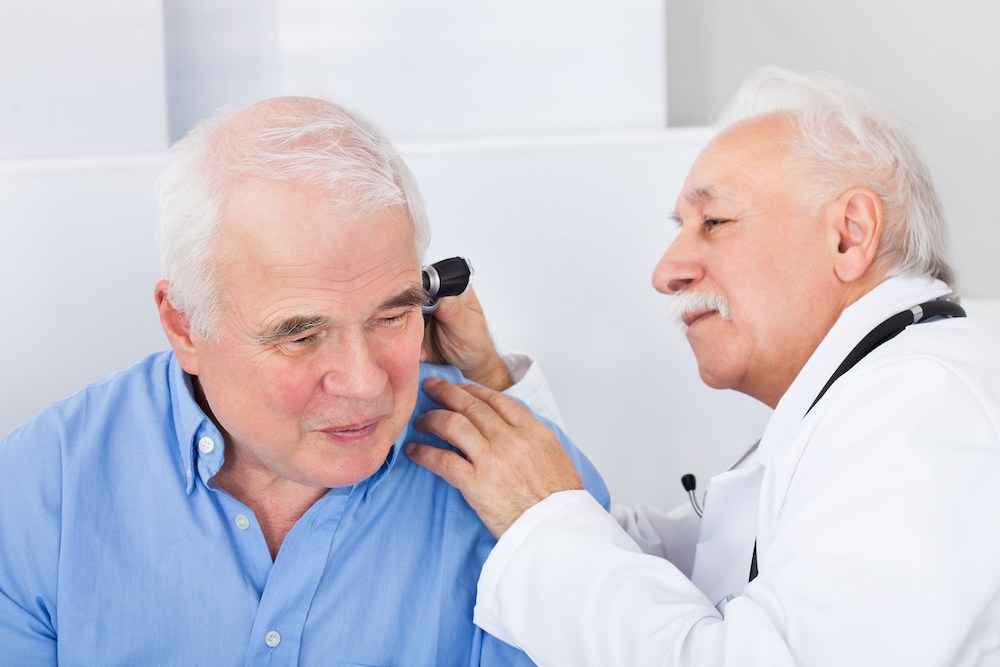
Seeing your audiologist regularly helps keep your hearing aids working well and makes sure your hearing needs are met. During these check-ups, your audiologist can check the fit of your devices, adjust settings for clearer sound and spot small issues before they become bigger problems. Regular appointments support both your ear health and the performance of your hearing aids.

Making the Most of Your Hearing Aid Experience

Caring for your hearing aids and following these tips can make a difference in how well you hear each day. Cleaning your devices, practicing good habits and keeping up with regular visits all support better sound and comfort. If you need advice or help with adjustments, an audiologist is available at to answer questions and support your hearing needs.