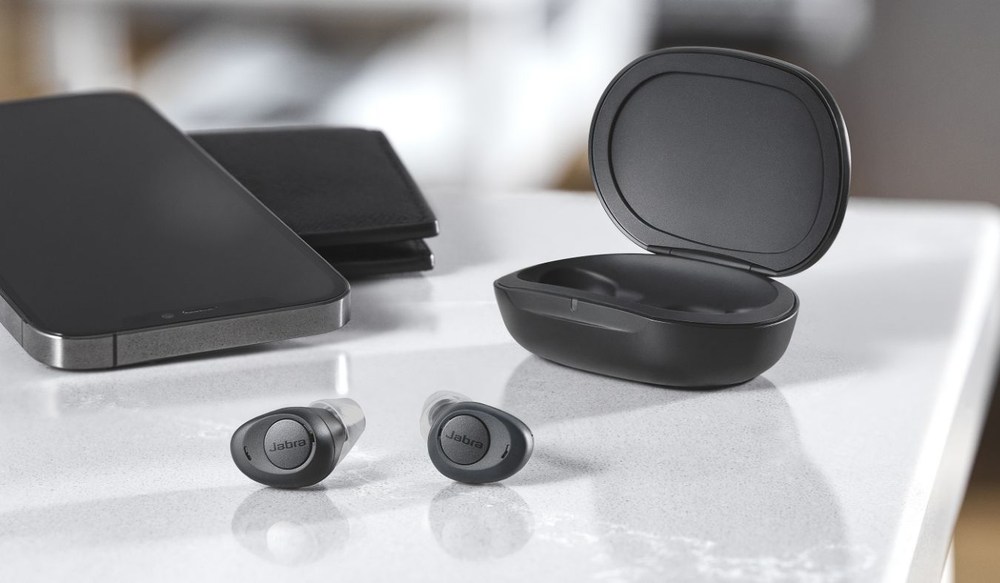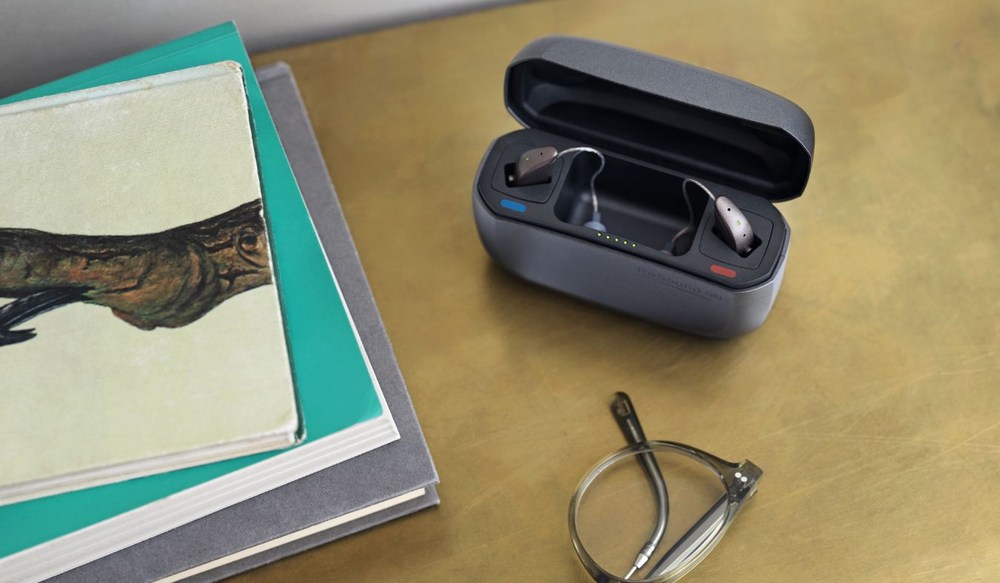
The first few weeks with new hearing aids are a time of learning and adjustment as your ears and brain begin working with sound in a different way. Many people notice everyday noises more clearly, like footsteps, running water or voices across a room, which can feel unfamiliar at first.

You may also find that listening takes more energy early on while your brain sorts through these sounds again. At the same time, you are getting used to wearing the devices throughout the day and figuring out simple routines for comfort and care.

This early period helps set expectations and allows you to ease into daily use at a steady pace, making it an important step toward feeling more at ease with your hearing aids.

Noticing Everyday Sounds You May Have Missed Before

With your new hearing aids, you may begin to notice sounds that were once quiet or hard to hear. Noises like birds chirping, shoes on the floor or the hum of a refrigerator might seem new again. These details can feel surprising at first, but they are a sign that your hearing aids are working as intended.

Take time each day to notice sounds like the click of a light switch, leaves moving outside, water running from the tap, keys jingling or the beeping of household appliances.

Getting Used to Your Own Voice with Hearing Aids

Hearing your own voice through hearing aids can feel unfamiliar at first. You may notice that your speech sounds fuller, sharper or more present than you expect, especially in quiet settings.

This change happens because the devices are letting you hear sounds you may not have noticed before, including parts of your own voice. While it can catch you off guard, this response is common during the first few weeks and does not mean something is wrong.

Spending time talking throughout the day helps your brain settle into this new sound balance. Simple activities like chatting with others, speaking on the phone or reading a book aloud can make the adjustment feel more natural.

As your brain relearns what your voice should sound like, the awareness usually fades into the background. If your voice continues to feel distracting or uncomfortable, an audiologist can review your hearing aid settings and help fine tune things so speaking feels more natural and relaxed.

How Your Brain Gets Used to Hearing Aids

When you first begin wearing hearing aids, your brain is suddenly receiving sounds it may not have processed clearly in a long time. Everyday noises like footsteps, typing or distant conversations can stand out more than expected.

This does not mean something is wrong. It reflects your brain relearning how to sort and prioritize sound information. Sounds that once faded into the background now need to be identified and placed into context again, which takes mental effort during the early weeks.

With regular use, your brain starts to recognize patterns and decide which sounds deserve attention and which can fade away. Conversations become easier to follow, and background noise feels less distracting as this process continues.

Wearing your hearing aids consistently helps this adjustment move forward at a steady pace. Over time, listening feels more natural and your brain works more efficiently, making daily communication less tiring and more comfortable.

Including Family and Friends in Your Adjustment

Letting family and friends know about your new hearing aids can make things easier. They can support you by speaking clearly, facing you during conversations and being patient if you need something repeated.

You might also ask loved ones to help by lowering background noise when you are together or by joining you in quiet places while you practice listening. Sharing information about how hearing aids work helps others understand your experience and encourages their support.

Handling Emotions and Setting Realistic Expectations

The first few weeks with hearing aids can bring a mix of reactions as your hearing and daily habits adjust. Some moments may feel easier than expected, while others take more patience, especially as you notice sounds you have not paid attention to in a long time.

Setting realistic expectations helps you stay focused on steady progress instead of instant results. Giving yourself permission to learn at your own pace makes the process feel more manageable and keeps small challenges from feeling bigger than they are.

Communication Strategies That Make Conversations Easier

Clear communication is important when getting used to new hearing aids. Try facing the person you are speaking with and keeping good eye contact to catch facial expressions and lip movements. Ask others to speak clearly and at a normal pace without raising their voices.

Background noise can make conversations harder, so choose quieter places when possible. Let friends or family know about your hearing needs so they can help by turning off TVs or radios during talks. If you miss something, ask for it to be repeated or rephrased instead of pretending to understand.

Practice these strategies in different settings, like at home or in restaurants. Over time, conversations will become easier.

Building Helpful Habits for Daily Hearing Aid Use

Creating simple routines with your hearing aids can make daily life easier and help you get the most out of your devices. Small steps can lead to improvements in comfort and confidence.

Here is a checklist to help build good habits:

  • Put on your hearing aids at the same time each morning.
  • Clean them gently before bed.
  • Store them in a safe, dry place overnight.
  • Check the batteries or charge them as needed.
  • Keep follow-up appointments with your audiologist.

Knowing When to Contact Your Audiologist for Support

During the first month with hearing aids, it helps to know when reaching out to your audiologist can make things easier. If you notice ongoing discomfort, unclear sound or situations where hearing feels harder than expected, those are good reasons to check in.

Questions about fit, daily use or changes in how sounds come across are all normal during this adjustment period. Staying in touch allows your audiologist to understand what you are experiencing and offer guidance that matches your needs.

Asking for support early can help you stay on track, feel more at ease with your devices and continue building habits that support better hearing in everyday life.

Adjusting to New Hearing Aids

Adjusting to new hearing aids in the first month brings many changes but taking small steps each day helps make the process smoother. Paying attention to new sounds, building daily habits and using effective communication strategies all support your progress.

If you have questions or notice any problems with your hearing aids during this time, schedule an appointment with an audiologist. They will be able to make any necessary adjustments you need. Regular check-ins ensure that you get the most from your devices as you settle into daily life with improved hearing.