Hearing is an important part of staying aware while driving, even though individuals often don’t notice it until there’s a problem.

Your ears pick up sounds that provide key information about your surroundings, like approaching sirens, car horns, motorcycles in blind spots or subtle noises from your own vehicle. When hearing declines, these cues can be harder to detect, reducing the overall awareness that complements what you see on the road.

This can slow reaction times and make it more difficult to anticipate hazards. Recognizing the impact of hearing loss on driving can help you take steps to stay safer behind the wheel.

How Untreated Hearing Loss Affects Driving

Untreated hearing loss can make driving more difficult because it reduces the audio information your brain uses to stay aware of your surroundings.

Sounds like horns, sirens or the hum of nearby traffic help you react to potential hazards. Without these cues, your responses may be slower and even routine driving tasks can feel more stressful.

Hearing loss can also increase mental effort while driving, leaving less focus for monitoring the road and anticipating other drivers. This extra strain can cause fatigue on longer trips and make it harder to notice subtle sounds, like a motorcycle in a blind spot or engine changes.

Addressing hearing difficulties can help restore awareness and support safer, more confident driving.

Warning Sounds That Become Harder to Notice with Hearing Loss

Some warning sounds become harder to hear as hearing loss develops. Sirens from police cars, ambulances and fire trucks are often among the first to fade. Car horns and backup alarms from larger vehicles can also be missed more easily if your hearing is not as sharp as it once was.

You may also find it difficult to notice quieter signals like turn signals, seatbelt reminders or the clicking sound when your car is low on fuel. Missing these alerts can make it harder to respond quickly or avoid hazards.

How Good Hearing Supports Staying Alert on the Road

Good hearing helps you stay aware of your surroundings while driving. Sirens, horns and the sound of other vehicles approaching are all signals that help you react quickly and make safe decisions.

When you hear these sounds clearly, you can respond right away to changing situations. Missing these cues might mean not noticing an emergency vehicle or a warning from another driver. Staying alert through good hearing is one way to protect yourself and others on the road.

How Hearing Loss Changes Communication with Passengers and Drivers

Hearing loss can make conversations with passengers or other drivers more difficult while on the road. Background noise from the car or traffic can add to the challenge.

You might find yourself asking people to repeat themselves more often or missing parts of what they say. This can lead to misunderstandings or feeling left out during group conversations in the car.

Clear communication is important for both safety and comfort while driving. If you notice these changes, an audiologist can help you find ways to improve your listening experience behind the wheel.

Effects of Hearing Loss on Quick Reactions and Making Safe Choices

Reduced hearing can make it harder to respond quickly in unexpected driving situations. Without clear access to sounds around you, it can take longer to notice hazards or judge what other drivers are doing.

This delay can influence the choices you make on the road, like when to brake, change lanes or yield. Over time, even small lapses in reaction speed can add up, affecting overall driving safety.

The Role of Visual Cues When Hearing is Reduced

When it becomes harder to hear warning sounds, you may find yourself relying more on visual cues. Watching for flashing lights from emergency vehicles, checking mirrors often and noticing hand signals from other drivers can help fill in some of the gaps left by missed sounds.

Many modern cars also use dashboard lights or display alerts for things like low fuel or open doors. While paying close attention to these visual signals is helpful if you have hearing loss, they do not replace the need to hear all the necessary sounds on the road.

Practical Ways to Stay Safe Behind the Wheel with Hearing Loss

There are several simple ways to help you stay safe while driving with hearing loss. Keeping your windows rolled up reduces outside noise, and limiting distractions like loud music or phone use helps you focus on important sounds.

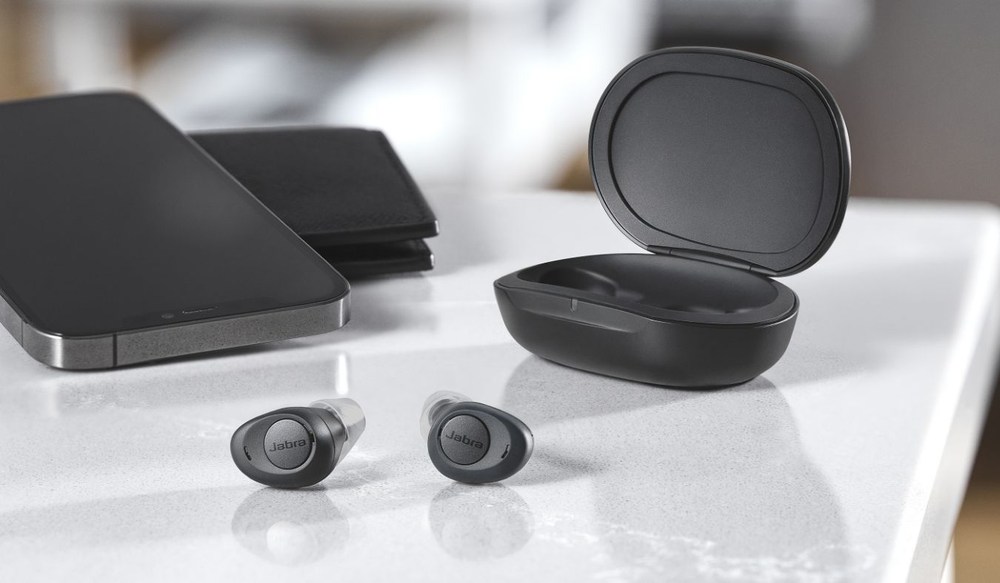
Many drivers also find it helpful to keep their hearing aids clean and well maintained since regular care can make a big difference in how well you hear on the road.

Using Technology and Car Features for Added Safety

Modern vehicles offer features that support safe driving for people with hearing loss.

Visual alerts for seatbelts, lane changes or open doors are common in many cars today. Some vehicles also have backup cameras and blind spot monitors that use lights or vibrations instead of sound alone.

These features can help you stay aware of your surroundings even if certain warning sounds are hard to hear. Choosing a car with these options or adding aftermarket devices may improve your comfort and safety while driving.

Knowing When to Visit an Audiologist for Driving Concerns

If you notice that you are missing important sounds while driving, like sirens or car horns, it may be time to visit an audiologist. Struggling to hear conversations with passengers or feeling unsure about where sounds are coming from on the road are also signs that your hearing should be checked.

Make a note of any situations where you feel less confident behind the wheel because of your hearing. Scheduling an appointment with an audiologist can help you find out if your hearing has changed and what steps you can take to drive more safely.

Staying Safe on the Road Starts with Good Hearing

Safe driving depends on your ability to hear warning sounds, communicate with others in your car and react quickly when needed. If hearing loss has made driving feel less comfortable, taking these changes seriously is important.

A hearing check can help you understand how your hearing affects your driving and what solutions are available to keep you safe. An audiologist is here to answer your questions and discuss options that may improve your awareness on the road.