After age 50, hearing can change, even if you haven’t noticed any issues. Regular checkups with an audiologist help track your hearing over time and catch any changes early. These visits give you a clear understanding of your hearing health and provide guidance on steps you can take to maintain it.

Staying aware of your hearing through routine appointments makes it easier to address small shifts before they become more noticeable in everyday life.

How Hearing Can Change as You Get Older

As you get older, your hearing may become less sensitive, especially to higher-pitched sounds.

Everyday noises like birds chirping, doorbells or certain consonant sounds in speech can start to seem quieter or harder to distinguish. These changes can go unnoticed until they begin affecting daily activities.

Age-related hearing changes can also make it more difficult to follow conversations in noisy environments, like restaurants or social gatherings. You might find yourself asking people to repeat themselves more often or turning up the volume on the television.

Understanding that these shifts are a normal part of aging helps you take steps, like regular checkups, to monitor your hearing and maintain clear communication.

Common Signs of Hearing Loss in People Over Fifty

People over fifty may experience hearing changes in ways that show up in daily life. They might struggle to hear on the phone, have difficulty understanding fast or soft-spoken voices or misinterpret what people are saying.

Background noise in restaurants or social gatherings may make conversations especially challenging, and some may find that they can no longer hear certain high-pitched sounds, like the beep of a microwave or the chirp of a smoke alarm. Noticing these signs early can help you take steps to monitor your hearing and get support from an audiologist.

The Connection Between Hearing Health and Your General Well Being

Clear hearing supports your overall health in many ways. When you hear well, it is easier to stay active, safe and involved in your daily life.

Hearing loss can impact more than just your ability to listen. Staying socially connected helps prevent feelings of loneliness, while being able to hear your surroundings reduces the risk of falls. Good hearing also supports memory and clear thinking by keeping your brain engaged, and it can help lower stress in social situations.

Taking care of your hearing helps you maintain strong connections with friends, family and your community. Regular checkups with an audiologist are an important part of healthy aging.

How Hearing Loss Can Affect Relationships

Hearing loss can make communication with loved ones more difficult. When you miss parts of conversations, misunderstandings may happen more often, leading to frustration for both you and those around you.

You might start to avoid social events or family gatherings if conversations become too hard to follow. Over time, this can leave you feeling left out.

Benefits of Early Detection with Regular Hearing Checkups

Regular hearing checkups provide many benefits, especially when changes are found early. Early detection allows you to take action before hearing loss becomes more severe.

When your audiologist identifies changes sooner, you can receive support and solutions quickly. This helps you stay involved in conversations and aware of important sounds in your environment.

Regular checkups also help protect your overall well-being. Catching changes early means you can remain connected with friends and family, feel more confident in social situations and continue enjoying the activities you love. Early care often leads to better results and a smoother adjustment if treatment is needed.

What Happens During a Routine Hearing Test

A routine hearing test is simple and comfortable. Most people find the process easy and stress-free.

During your visit, an audiologist will talk with you about any changes you have noticed in your hearing. The test usually includes looking inside your ears for wax or other issues, asking about your medical history and listening needs, having you listen to a series of tones through headphones and pressing a button when you hear each sound and repeating words or sentences back to measure how well you understand speech.

These steps give your audiologist a clear picture of your hearing health and help recommend the best options for you.

How Often to Schedule Hearing Checkups After Turning Fifty

After age fifty, it is recommended to schedule a hearing checkup once a year. Regular yearly visits help track any changes in your hearing and allow for early action if needed.

Keeping up with this schedule is important because hearing changes can be gradual and may go unnoticed at first. Regular appointments help to find the right treatment for your needs.

How Hearing Aids and Other Solutions Can Help

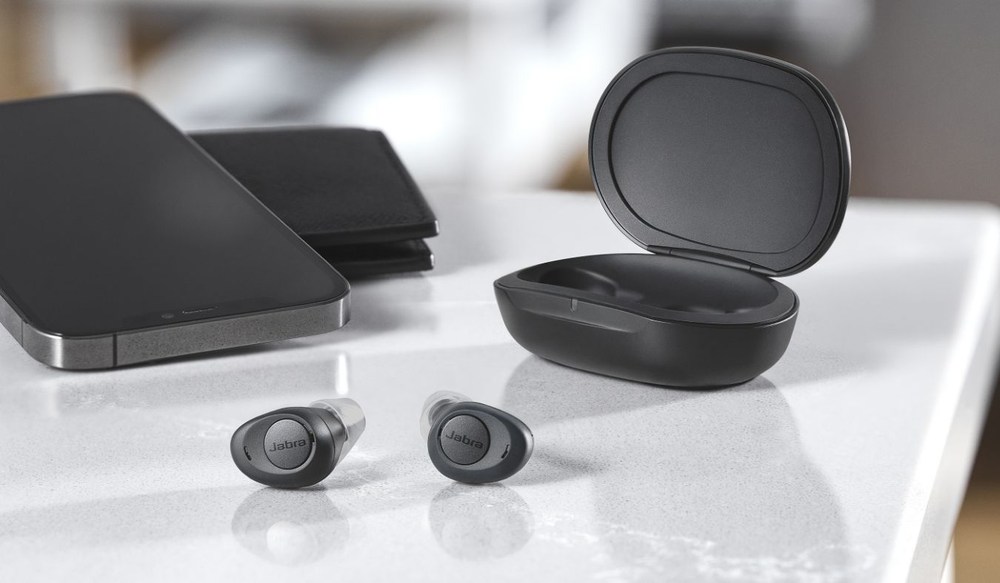
Hearing aids can make a noticeable difference for people over 50 who are experiencing hearing changes. They help amplify sounds that might be difficult to hear, making conversations, television and everyday noises clearer.

Modern hearing aids are designed to be comfortable and adjustable, allowing individuals to tailor settings for different environments and levels of background noise. Using these devices can help maintain social connections and make daily activities easier to manage.

Other solutions, like assistive listening devices or specialized phone amplifiers, can also support hearing in specific situations. Regular checkups with an audiologist ensure that these tools are working effectively and can be adjusted as your hearing changes over time.

Monitoring hearing regularly, you can find the right combination of strategies to stay engaged and confident in both social and professional settings.

Practical Steps to Help Protect Your Hearing Health

There are simple steps you can take every day to help protect your hearing. Being mindful of loud sounds and certain habits can make a difference over time.

Wear ear protection like earplugs or earmuffs when around loud noises like concerts, power tools or lawn equipment. Turn down the volume on headphones and keep listening sessions short to reduce the risk of hearing damage.

Keeping your ears clean and dry helps prevent infections that could affect your hearing.

Staying Proactive with Your Hearing Health After Fifty

Looking after your hearing health after age fifty supports your ability to stay involved with family, friends and the activities you enjoy. Regular checkups help catch changes early so you can take steps before they start to affect your daily life or relationships. These visits provide valuable information about how your hearing may be changing as you get older.

If it has been some time since your last checkup, consider scheduling an appointment with an audiologist. Staying informed about your hearing health helps you continue enjoying the conversations and experiences that matter most.