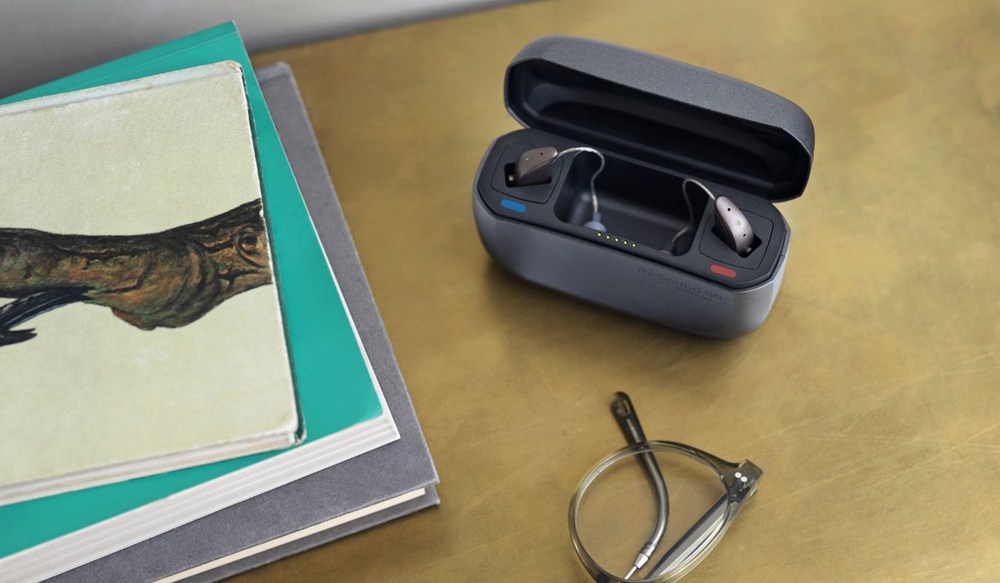
One of the first things you may notice with new hearing aids is how many sounds have been there all along. The refrigerator hums, the hallway clock ticks and traffic passes outside the window.
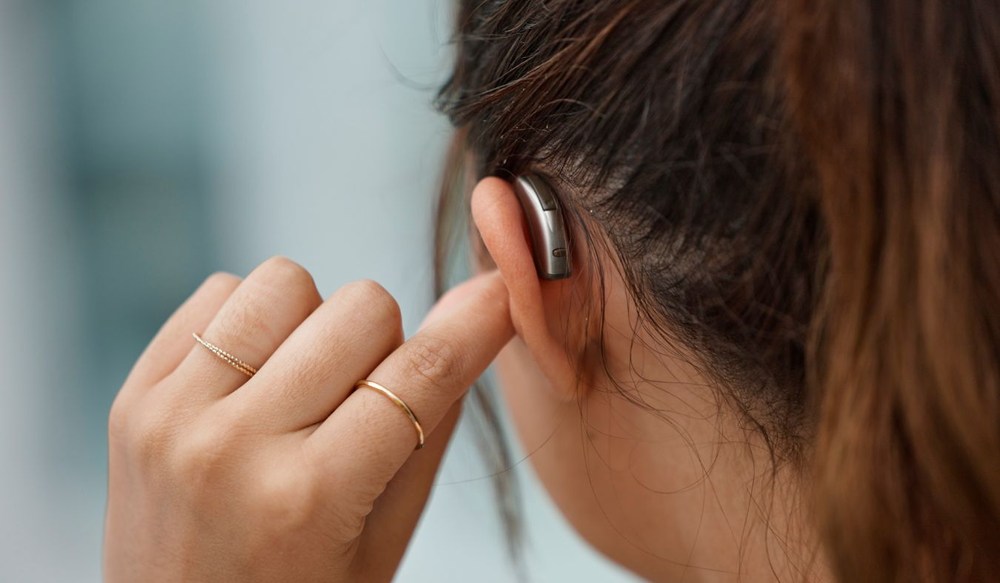
At a restaurant, you may suddenly hear silverware clinking several tables away. None of those sounds are new, but they may seem louder after months or years of hearing them differently.

That doesn’t necessarily mean something is wrong with your hearing aids. Your brain is hearing more of what’s around you and has to get used to sorting through it again.

Some sounds will eventually slip back into the background instead of demanding your attention. That adjustment takes time and knowing what to expect can make the first few weeks with hearing aids feel much less unfamiliar.

Why Background Noise Can Feel Different with New Hearing Aids

Background noise may sound different because hearing aids change what you’re able to hear around you. In a coffee shop, the person beside you may sound clearer, but so might the espresso machine nearby. Your footsteps or the turn signal in your car may suddenly stand out too.

Noise reduction features can soften some surrounding sounds, but they won’t remove everything you hear. If background noise regularly makes conversation harder to follow, mention the specific places where it happens at your next adjustment.

How Your Brain Gets Used to Sounds Again

Think about a clock that ticks in a room where you spend a lot of time. You hear it when you first walk in, but after a while, you stop paying much attention to it. Something similar happens when hearing aids return sounds you haven’t heard clearly in a long time.

Your brain may latch onto the dishwasher running or shoes hitting the floor because those noises seem unfamiliar again.

As they become part of your usual surroundings, they don’t demand the same attention. The sounds are still there. They simply stop competing as much with the conversation or activity you’re trying to follow.

Common Types of Background Noise You May Notice in Daily Life

Background noise is already part of nearly every place you spend time before you start wearing hearing aids. Depending on where you are, that may include:

    • Traffic outside your home or car
    • Several people talking in a restaurant
    • Music playing in a store
    • Heating or air conditioning running
    • Dishes moving around a kitchen
    • Appliances humming nearby
    • Wind moving through trees
    • Television playing in another room

How Hearing Aid Settings Change Your Comfort in Loud Spaces

You may even find one restaurant comfortable while another with hard floors and high ceilings sounds completely different.

Those details tell your audiologist more than simply saying a place was loud. Hearing aids have controls for how they respond when sound levels rise, and those controls can be adjusted around what you’re experiencing.

Simple Practice Steps for Getting Used to Noisy Environments

Start somewhere you already know well, such as your kitchen during dinner or a familiar coffee shop. Wear your hearing aids there long enough to notice which sounds keep grabbing your attention.

Instead of turning the volume down right away, give yourself a few minutes to hear how the room settles. On another visit, sit in a different spot and see whether being farther from the kitchen or closer to your companion changes anything.

Trying the same place more than once gives you a useful comparison. You can tell whether the noise is becoming less distracting or whether a particular setting still needs attention at your next appointment.

Working with an Audiologist to Adjust Your Hearing Aids

Your audiologist can change how your hearing aids handle specific pitches, volume levels and types of noise. If higher sounds are too sharp, they can reduce amplification in that frequency range without turning everything else down.

They can also change how quickly the devices react when a room suddenly gets louder. Directional microphones and noise reduction settings may be adjusted when speech gets lost in busy places.

After each change, you’ll listen again and describe what sounds different. This back-and-forth is how the programming gets closer to what you need outside the clinic.

Better Hearing in Noisy Places

There may be a point when you realize you made it through dinner without thinking about every plate or conversation around you. That’s often how the adjustment shows itself. It isn’t one big moment where everything suddenly sounds right.

Certain places may feel comfortable sooner than others, and you may still run into a room that sounds different than expected. Give yourself enough time in your usual surroundings to learn what has settled and what still feels off.

You also don’t have to accept every sound as something you simply need to get used to. If a certain noise stays too sharp or speech remains difficult in places you visit often, make a note of it.

Bring those examples to your audiologist so they can adjust the programming around what you’re actually hearing. If you just started wearing hearing aids and the background noise is too loud, schedule an appointment with an audiologist.