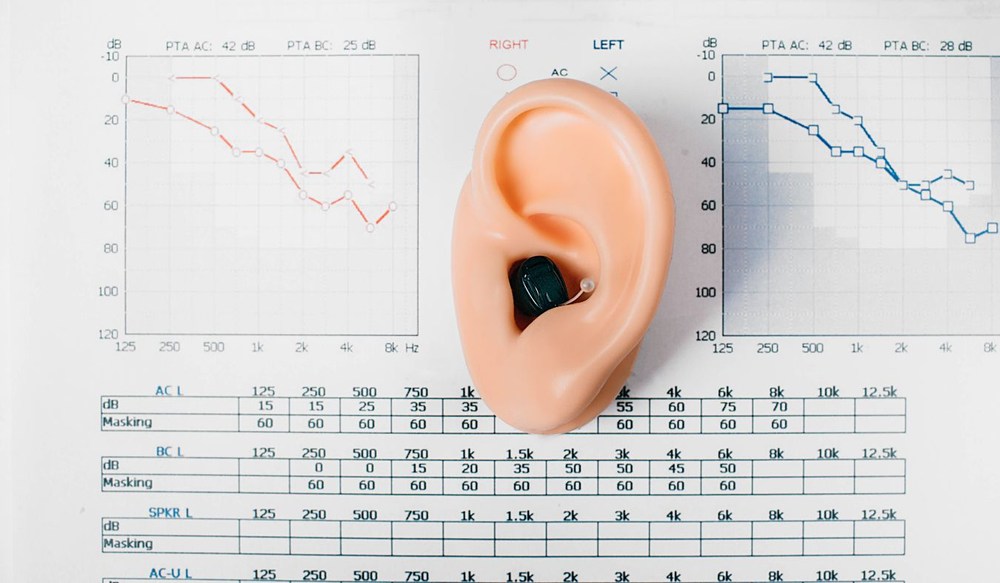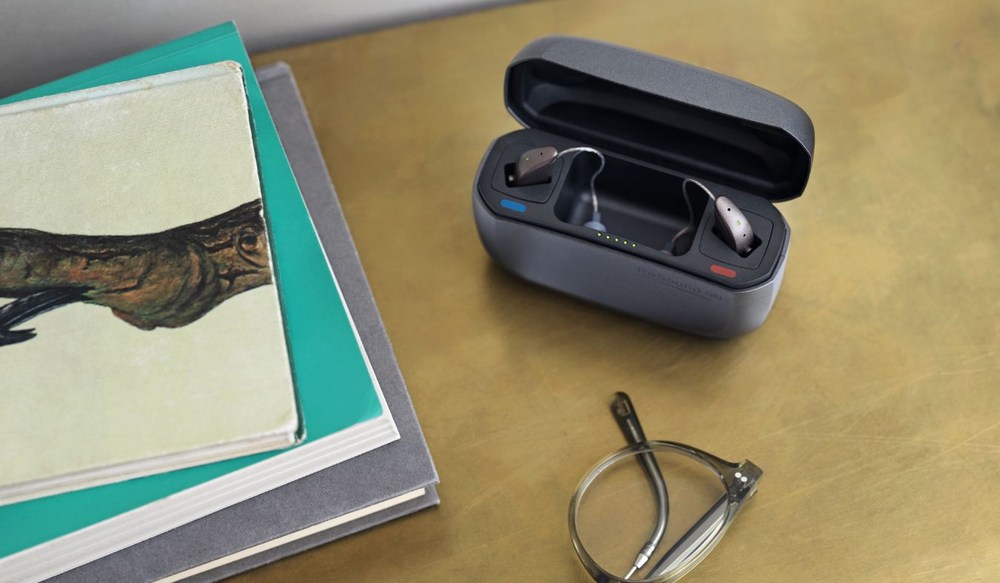
The first few weeks with new hearing aids involve getting used to both the devices and the way sounds are perceived.

Everyday noises like appliances, footsteps or paper moving may stand out more than expected, and your brain needs time to sort through this added information. Some mental fatigue is common as your hearing adjusts, along with learning basics like proper placement, wear time and routine care.

This period is focused on forming steady habits and allowing your hearing to adapt at a natural pace. Knowing that adjustment takes time can help set realistic expectations and make the transition feel easier as your new routine begins to take shape.

What to Expect During the First Month with New Hearing Aids

During the first month, you may find that everyday sounds seem louder or sharper than you remember. This happens because your brain is relearning how to process sounds that may have faded over time.

While conversations might become easier to follow, noisy environments can still feel difficult in the beginning. Give yourself time to adapt, and keep in mind that every bit of progress helps you get more comfortable with your hearing aids.

Noticing Differences in Everyday Sounds

During the first few weeks with new hearing aids, everyday sounds can stand out in ways you did not expect. Things like footsteps on the floor, water running or dishes being set down may seem sharper or more noticeable than before.

This happens because your ears and brain are picking up details that were harder to hear in the past. It can feel strange at first, but these sounds are part of your normal environment and your brain needs time to relearn how to sort them naturally.

As you continue wearing your hearing aids each day, many of these sounds start to blend back into the background. Conversations become easier to follow, and familiar places begin to sound more balanced.

Paying attention to how sounds change from week to week can help you recognize progress, even if it feels subtle. Giving yourself time to adjust allows your listening experience to feel more comfortable and natural as your brain adapts to hearing more clearly again.

Getting Used to Your Own Voice

It is common to notice that your own voice sounds different with hearing aids. You might find it louder or echoey compared to what you remember. This happens because hearing aids amplify both external sounds and your own speech.

Most people find that this sensation fades as they continue to wear their devices. Practicing speaking in different situations or reading aloud can help your brain adjust more quickly.

If your voice still feels uncomfortable after a few weeks, an audiologist can make adjustments to improve your experience.

Wearing Hearing Aids Comfortably All Day

Wearing hearing aids throughout the day can feel unfamiliar at first, even if the devices fit well. Your ears need time to adjust to something new resting in or behind them, and that adjustment can vary from person to person.

It helps to pay attention to how the devices feel during different activities, like talking on the phone, eating or moving around outdoors. Noticing small changes in comfort gives you useful feedback and helps you understand what feels normal versus what may need attention as you settle into daily wear.

Comfort also improves as you build consistent habits during the first month. Putting your hearing aids in the same way each morning, taking short breaks if needed and wearing them during a range of everyday situations helps your body adapt more smoothly.

Over time, most people find that the devices become less noticeable as their ears adjust and their routine becomes familiar. Staying patient during this phase supports longer wear times and makes it easier to use your hearing aids confidently from morning to evening.

Using Hearing Aid Features and Controls

Modern hearing aids offer a range of features and controls to help you hear better in different situations. These may include volume settings, program buttons for various environments or smartphone apps for easy adjustments.

Take time to learn how these features work. Reading the user guide or asking your audiologist for a demonstration can be very helpful. Practicing with the controls at home will build your confidence before you use them in public.

Sharing Your Needs with Family and Friends

Letting family and friends know about your hearing needs can make daily life easier. When others understand what helps you hear better, they can support you in conversations and group settings.

Simple tips, like asking others to speak clearly or get your attention before talking, can improve communication for everyone involved. This shared understanding often leads to smoother interactions and less frustration for both you and those around you.

Solving Common Problems with New Hearing Aids

You may run into common issues like feedback or whistling sounds, battery problems or difficulty hearing in certain places. These are normal and can often be resolved with a few simple steps.

An audiologist is here to help if problems come up. Quick solutions like cleaning your devices, checking the fit or learning how to use the controls can prevent small issues from becoming bigger ones. Addressing these concerns early supports better communication and helps you get the best performance from your hearing aids.

Creating Good Habits for Ongoing Success

Developing good habits with your hearing aids ensures you get the most benefit from them each day. Simple routines make wearing and caring for your devices easier over time.

Try putting your hearing aids on at the same time each morning and taking them out before bed. Clean them regularly and store them in a safe, dry place. These steps help keep your devices working well and reduce the risk of repairs or misplacement.

Building these habits may take some time, but with practice and support from your audiologist they become second nature and help you enjoy clearer hearing every day.

Looking Ahead with Your New Hearing Aids

Adjusting to new hearing aids during the first month brings new sounds and experiences. Staying consistent with your routines, communicating your needs with those around you and practicing in different listening environments will help you get the most out of your devices.

If you have questions or notice any concerns as you adapt, schedule an appointment with an audiologist. Regular check-ins help ensure your hearing aids remain comfortable and effective, so you can feel confident as you continue to experience clearer hearing.