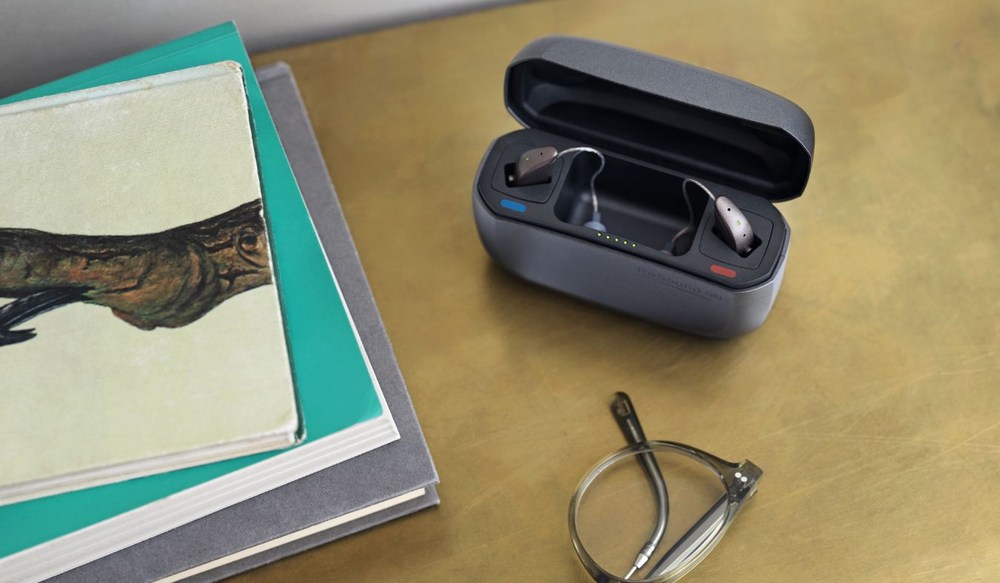
Have you noticed that hearing aids today seem to know more about what you need than they used to? Many modern devices can adjust themselves in busy places, reduce background noise and make speech clearer in ways that feel almost natural.

This change comes from artificial intelligence (AI) being built into hearing aid technology, helping your devices learn from the sounds around you and respond in a smarter way.

Looking at how AI helps with sound processing, listening in noisy spaces, personal settings and long-term support, you can see how these tools may fit into your daily life and support your hearing health long-term.

How Artificial Intelligence is Improving Modern Hearing Aids

Artificial intelligence is helping modern hearing aids adjust more quickly to different listening environments.

These devices can analyze the sounds around you and automatically make changes to reduce background noise, focus on speech or balance the volume across frequencies. This means you spend less time manually adjusting settings and more time hearing conversations clearly, whether you’re in a busy restaurant, a quiet room or outdoors.

AI also allows hearing aids to learn from your listening habits. The device can recognize patterns in how you respond to certain sounds and adjust itself to better match your preferences.

Some hearing aids can even connect to apps on your phone, giving you more control and letting you track how your hearing changes in daily life. These improvements make using hearing aids more intuitive and personalized, helping you stay engaged in everyday activities without constant adjustments.

AI Noise Reduction and Clearer Speech in Busy Loud Places

Modern hearing aids use AI to make it easier to follow conversations in noisy environments. They can identify and separate speech from background noise, helping you focus on what matters most.

Keyways AI supports clearer hearing in busy places include:

  • Reducing constant background sounds like traffic, chatter or music.
  • Emphasizing speech frequencies to make conversations easier to understand.
  • Automatically adjusting settings based on the level of noise in your surroundings.
  • Learning your preferences for different listening environments.

Personalized Listening Settings That Adjust to Your Daily Habits

As AI learns from your routine, your hearing aids can start to respond to how you like to hear in different places. For example, they may learn to turn up speech at work and soften background noise at home.

Many people feel annoyed when every room sounds the same through their devices, even though their needs change throughout the day. Modern systems address this by tracking patterns in how you adjust volume or programs and then slowly making those changes for you.

If the automatic changes do not feel quite right, an audiologist can review your listening data and fine tune the settings. The goal is for your devices to match your habits without you needing to keep reaching for buttons or an app.

Using AI to Track Hearing Aid Use and Support Long-Term Hearing Health

AI in modern hearing aids can help you see how often and in what situations you use your devices. Many hearing aids link to smartphone apps that track hours worn each day and the types of environments you spend time in.

This data helps you and your audiologist get a clear picture of how well your devices are meeting your listening needs and whether any adjustments could make sounds easier to follow.

Using AI to monitor your hearing aid use can also support long-term ear health by spotting changes in how you respond to different sounds. If the device detects that certain settings aren’t working as well as before, it can suggest updates or a check-in with your audiologist.

This ongoing insight helps your hearing aids stay effective and makes daily conversations and activities easier to manage without extra effort.

Helpful Questions to Ask Your Audiologist About AI Features in Hearing Aids

When you meet with your audiologist, it can help to bring a short list of questions so you feel clear about how AI will work in your daily life. You might ask how the AI handles background noise, what parts of the sound are changed automatically and whether your hearing aids can keep improving through software updates over time.

Helpful questions can include:

  • Which AI features are turned on in my hearing aids right now?
  • Can you show me how to adjust these features in the app?
  • How does AI use my listening data, and how is that data kept private?
  • What should I expect during the first few weeks while the AI is learning my habits?
  • How will we know if these AI tools are helping me hear better?
  • What changes should I write down between visits?
  • If something feels off, when should I contact you instead of waiting for my next appointment?

These questions link back to every part of the process: sound quality, noise reduction, personal settings, tracking use and staying connected through apps. They help you take an active role in shaping how AI works for you.

AI Hearing Aids Helping You Hear

AI in hearing aids is a practical tool that can help you hear more clearly, feel less worn out and stay connected in the places that matter most to you. When your devices can learn from your daily life, adjust to noisy spaces and share helpful data with an audiologist, you gain more control over how you hear each day.

You do not need to understand every detail of how the AI works to benefit from it. You only need devices that are set up and fine-tuned for your needs and goals, along with support when adjustments are needed.

If you are curious about what AI powered hearing aids could do for you, schedule an appointment with an audiologist. They can explain which AI features fit your lifestyle, show you how to use apps or controls and adjust your devices as the technology learns from your routine.