You may already have an idea of what hearing aids are like before you ever try them yourself. Those impressions often come from devices you remember from years ago, stories from someone you know or things you’ve heard in passing.
Hearing aid technology has changed over the years, while many familiar ideas about wearing them have stayed around.

What you’ve heard may not match the choices and features available today. Some of the most familiar hearing aid myths tell a very different story from what you might find when you consider them for yourself.

Hearing Aids Are Only for Severe Hearing Loss

Hearing loss doesn’t have to be severe before hearing aids become part of the discussion. You might hear well in a quiet room but miss parts of conversations when several people are talking.

Certain voices may also be harder to follow because hearing loss doesn’t always affect every pitch equally.

Hearing aids can be programmed for the specific areas where your hearing has changed rather than simply making everything louder. An audiologist looks at your hearing test along with the situations where you’re having trouble to determine whether hearing aids are appropriate.

Hearing Aids Are Only for Older Adults

The idea that hearing aids are only for older adults comes from how hearing loss has often been associated with aging. People can develop hearing loss at many different ages.

Genetics, repeated noise exposure, certain illnesses or hearing changes present from childhood can all affect younger people. Someone in their 20s, 30s or 40s may need hearing aids for the same reason an older adult does.

Their hearing test may show a loss that affects how they hear speech and other sounds. Hearing aids are recommended based on a person’s hearing needs, not their age.

Hearing Aids Always Whistle and Sound Unnatural

Older hearing aids were more likely to produce feedback, especially when the fit or settings weren’t quite right. Today’s devices have feedback management that detects whistling and adjusts the signal before it becomes distracting.

They’re also programmed for the specific pitches where you need amplification instead of raising every sound by the same amount.

New wearers may need time to adjust to sounds they haven’t heard as clearly for a while, including their own voice. Persistent whistling or distorted sound can signal an issue with the fit, programming or earwax that an audiologist can check.

Hearing Aids Do Not Work in Noisy Places

Noisy places are harder for everyone to hear in, and hearing aids don’t make background sound disappear.

What newer devices can do is reduce some steady noise and use directional microphones to focus more on speech coming from in front of you. Some models also change settings automatically when the sound around you get busier.

The results still depend on the room, the amount of noise and where the speaker is sitting. Hearing aids can improve access to speech in these settings, but they don’t completely get rid of the noise, just make it quieter.

Hearing Aids Are Too Hard to Use and Care For

Trying hearing aids for the first time can come with questions about handling the devices, especially when small buttons or controls are difficult to manage.

Current hearing aids have several features that reduce how often you need to make adjustments yourself. Many models adjust volume automatically, while phone apps offer another way to change settings without handling small controls on the device.

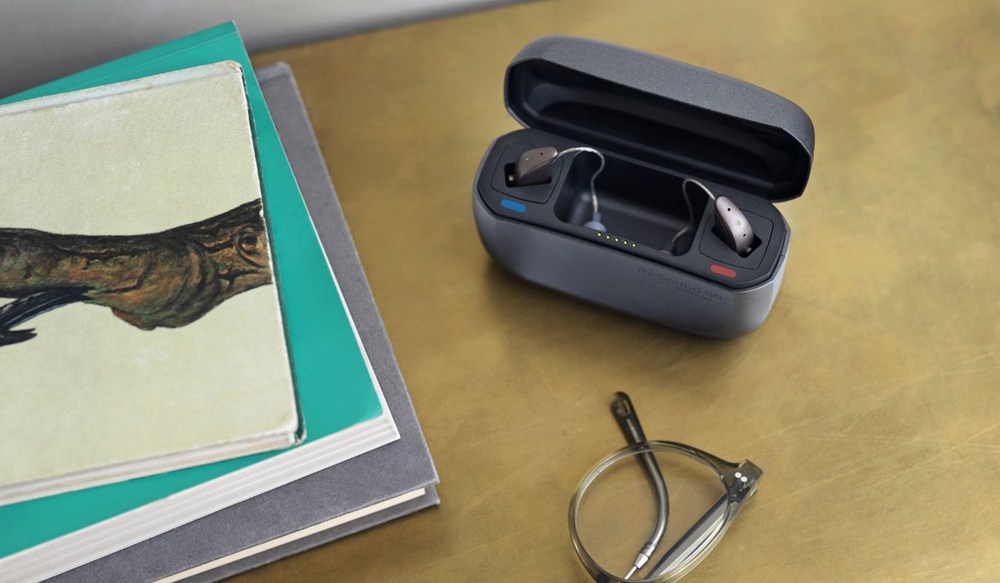
Daily care is usually limited to wiping the hearing aids, checking the earpiece for wax and charging or storing them at night. Your audiologist can walk you through each part during your fitting and give you instructions to keep at home.

How to Talk with an Audiologist About Your Questions and Concerns

You don’t need to know everything about hearing aids before meeting with an audiologist. Bringing up what you’ve heard, what you’re unsure about and what you expect from hearing aids can shape the discussion.

You might ask:

  • Which hearing aid features would I actually use during my usual day?
  • What will hearing aids sound like when I first start wearing them?
  • How much control will I have over the settings?
  • What should I expect when wearing them in restaurants or group conversations?
  • How will I know whether the fit and programming are right for me?
  • What should I do if something doesn’t sound right after the fitting?
  • How often will my hearing aids need adjustments or follow-up visits?

Taking the Next Steps with Hearing Aids

What you’ve heard about hearing aids may be very different from what you find today. Current devices come with different styles, features and ways to adjust them for your hearing.

Having accurate information can put many long-standing myths to rest. Your experience with hearing aids will be personal to your hearing and what you want from your devices.

An audiologist can answer your questions and explain what current hearing aids are like to wear and use. If you want to learn more about hearing aids, schedule an appointment with an audiologist.